Study Reveals Subtle Brain Development Changes in Children with Sickle Cell Anemia
A new scientific study has identified subtle changes in brain development among children with sickle cell anemia, even in those who have not experienced prior strokes or infarction. The findings suggest that the neurological effects of sickle cell disease may be more widespread than previously understood, prompting researchers to reconsider how the condition affects the developing brain in young patients.
Sickle cell anemia is a genetic blood disorder in which patients produce abnormal hemoglobin, causing red blood cells to become rigid and sickle-shaped. These deformed cells can block blood vessels, leading to pain, organ damage, and serious complications including stroke. The disease particularly affects individuals of African descent and is one of the most common genetic disorders worldwide. Stroke represents one of the most significant neurological complications of sickle cell disease, occurring in approximately 10 percent of children with the condition and potentially causing permanent disability.
While stroke has long been recognized as a major neurological complication of sickle cell disease, the new study suggests that the brain may experience more subtle changes even in the absence of overt stroke events. The research identified specific regions of the brain showing developmental alterations in children with sickle cell anemia. These changes represent abnormalities in how the brain tissue develops and organizes, potentially affecting cognitive function and neurological performance even without the dramatic symptoms associated with stroke.
The implications of these findings are substantial. If brain development is being affected in children with sickle cell disease at subclinical levels—meaning without obvious clinical symptoms—it suggests that cognitive and neurological consequences may be more prevalent than current clinical assessments reveal. Children might experience subtle difficulties with learning, attention, processing speed, or executive function that could impact their educational achievement and long-term outcomes, even when they appear neurologically healthy by standard evaluation.
The study highlights the importance of comprehensive neurological monitoring in pediatric sickle cell disease management. Understanding how the disease affects brain development could lead to earlier interventions and more targeted therapeutic approaches. Current treatment strategies often focus on preventing overt strokes through blood transfusions and other interventions, but the recognition of more subtle developmental changes may necessitate expanded monitoring protocols and preventative measures.
Further research will be needed to understand the mechanisms underlying these brain changes and their functional significance. Scientists must determine whether these developmental alterations result in measurable cognitive or neurological deficits and whether preventative or therapeutic interventions could mitigate these effects. The study represents an important step in recognizing the full spectrum of neurological involvement in sickle cell disease and underscores the necessity of comprehensive, multidisciplinary approaches to patient care that address both obvious and subtle manifestations of the condition.
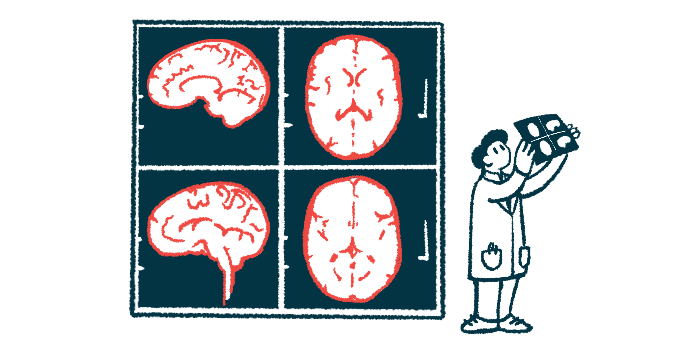
Brain development changes seen in children with sickle cell anemia
Admin
Apr 10, 2026
1 Views
3 min read
Source:
Sickle Cell Disease News