Oil Prices Plunge and Stocks Surge Following Iran-U.S. Cease-Fire Deal
Global financial markets responded dramatically on Wednesday to news of a cease-fire deal between Iran and the United States, with oil prices experiencing significant declines while stock markets surged on investor enthusiasm about reduced geopolitical tensions. Despite some remaining uncertainty about specific terms of the agreement, market participants largely welcomed the tone of de-escalation between the two nations.
The market reaction reflected investor sentiment that a reduction in Middle Eastern tensions could stabilize energy markets and reduce economic uncertainty. Oil prices, which had been elevated due to geopolitical risk premiums, fell sharply as traders repositioned their portfolios in response to the improved diplomatic climate. Lower energy costs could benefit numerous sectors of the economy, particularly transportation, manufacturing, and energy-dependent industries, providing a boost to corporate profit margins.
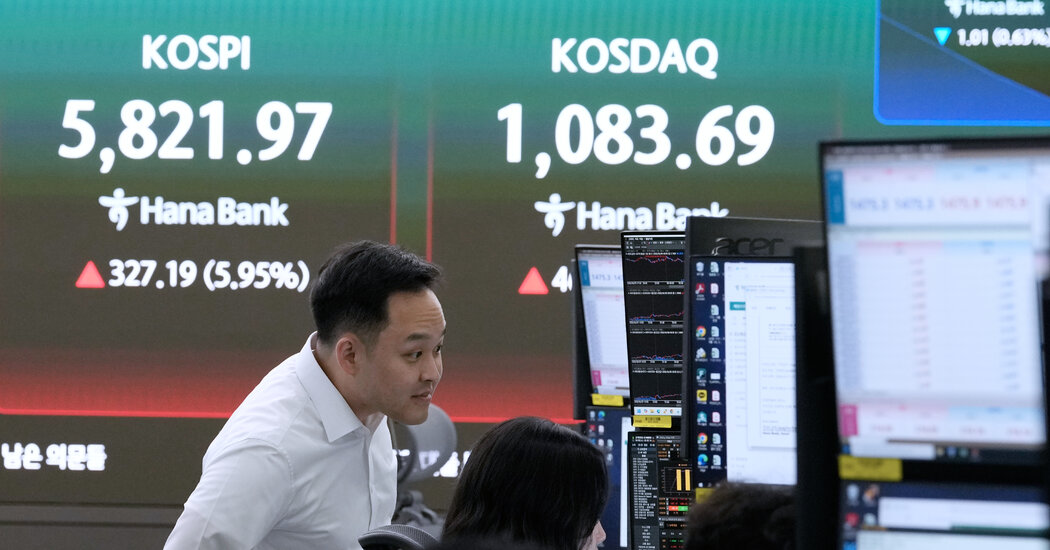
Stock markets around the world responded positively to the cease-fire announcement. Equity indexes rose as investors anticipated the economic benefits of reduced geopolitical tensions and more stable energy prices. The positive market reaction suggests that financial professionals broadly view the diplomatic development as beneficial for economic growth and corporate earnings potential.
However, the market enthusiasm must be tempered by acknowledgment that some confusion persists regarding the actual terms and implementation details of the cease-fire agreement. When complex international agreements are negotiated, particularly those involving nations with historically contentious relationships, ambiguities about specific terms can create future volatility if interpretations diverge. Both parties may have differing understandings about particular provisions, enforcement mechanisms, or conditions that could affect the agreement's durability.
The Iran-U.S. relationship has been marked by decades of tension, diplomatic breakdown, and periodic escalation, making any agreement of significant international importance. A successful cease-fire could open possibilities for broader diplomatic engagement and potentially reduce the risk of military conflict that could significantly disrupt global oil supplies and economic activity.
Energy markets, in particular, are sensitive to Middle Eastern developments given the region's substantial oil production capacity. Investors have long factored geopolitical risk premiums into oil prices, meaning that sustained improvement in U.S.-Iran relations could lead to further price adjustments as risk perceptions change.
Moving forward, market participants will likely monitor developments closely for any signals that the cease-fire agreement remains stable or faces challenges. Additional clarity on specific terms and implementation timelines could either reinforce market confidence or introduce new volatility if disputes emerge. The longer the cease-fire holds, the more likely market confidence will solidify and the geopolitical risk premium will decline further. However, the history of U.S.-Iran relations suggests that caution remains warranted until the agreement demonstrates durability over time.
Oil Prices Plunge and Stocks Surge After Cease-Fire Deal
Admin
Apr 09, 2026
1 Views
3 min read
Source:
The New York Times