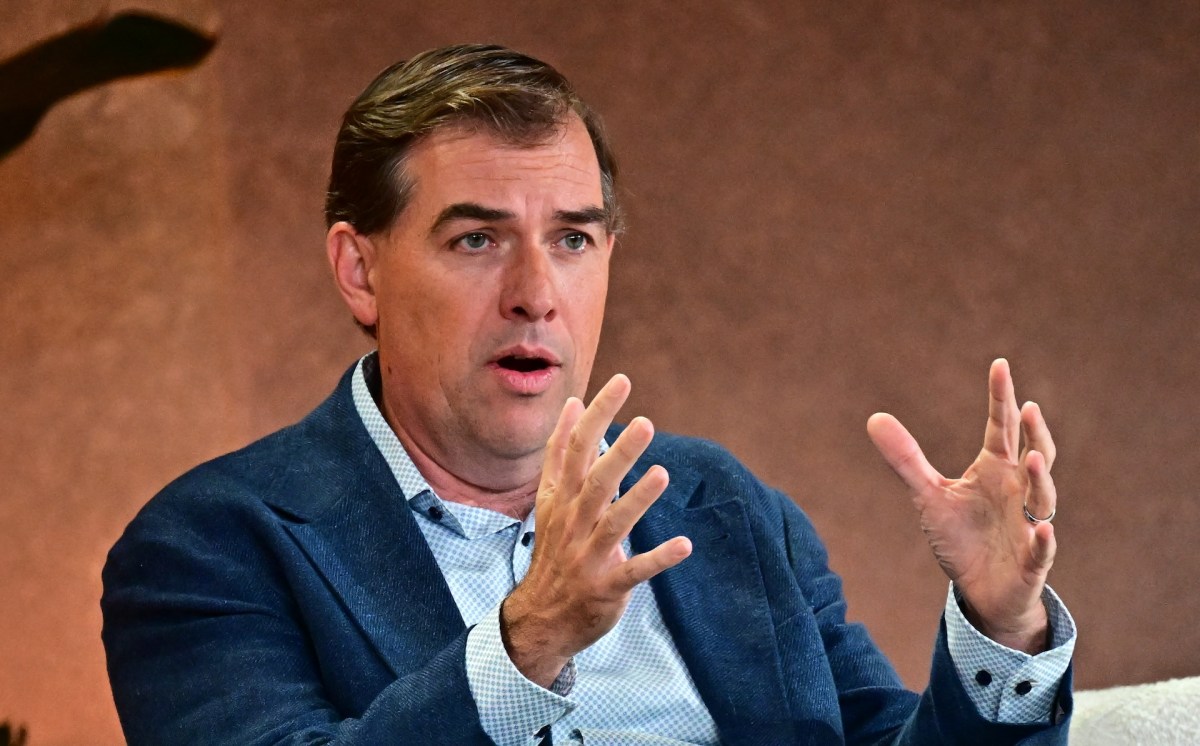
Kubernetes Luminary Kelsey Hightower Advocates Rebranding Automation as 'Zero-Token Architecture' to Master AI Era
In an increasingly complex technological landscape dominated by artificial intelligence and machine learning applications, industry veteran Kelsey Hightower is championing a strategic reframing of how IT professionals approach automation. The Kubernetes expert argues that the industry needs to adopt the concept of 'zero-token architecture' as a way to navigate and master the rapidly evolving world of AI, where deep technical knowledge is becoming obscured behind layers of abstraction and simplified interfaces.
Hightower's proposition stems from a fundamental observation about modern technology trends: the industry is deliberately hiding complex underlying systems beneath user-friendly surfaces. As artificial intelligence becomes increasingly mainstream and integrated into enterprise operations, traditional IT professionals face a growing challenge in understanding and controlling the systems they're responsible for managing. The concept of 'zero-token architecture' represents a shift in how automation should be conceptualized and implemented in this new era.
The term 'zero-token architecture' suggests a return to fundamental principles where IT professionals strip away unnecessary complexity and focus on what truly matters: the core functionality and purpose of automated systems. Rather than becoming overwhelmed by the proliferation of AI tools and frameworks, Hightower advocates for a simpler, more transparent approach that emphasizes control and understanding over blind reliance on pre-built solutions.
This perspective is particularly relevant given the current state of the technology industry. As major cloud providers and software companies increasingly embed AI capabilities into their offerings, many IT professionals worry about losing visibility and control over their infrastructure. The black-box nature of many AI systems creates uncertainty about how decisions are being made and how systems are behaving. Hightower's 'zero-token architecture' concept addresses these concerns by promoting transparency and fundamental understanding.
The Kubernetes expert's advocacy highlights a critical tension in modern IT: the desire for ease of use and simplified interfaces often comes at the cost of deep understanding and control. While automation and AI tools undoubtedly improve efficiency and reduce human error, they can also create situations where IT professionals become dependent on systems they don't fully comprehend. This dependency could prove problematic when issues arise or when organizations need to make strategic changes to their technical infrastructure.
Hightower's message resonates particularly strongly with seasoned IT professionals and platform engineers who have witnessed multiple cycles of technological abstraction. His argument suggests that those who master the underlying principles and maintain a 'zero-token' mindset—focusing on fundamental concepts rather than getting caught up in technological hype—will be better positioned to thrive as AI continues to transform the industry.
Looking forward, Hightower's perspective offers valuable guidance for IT organizations navigating the AI revolution. Rather than passively adopting the latest tools and frameworks, professionals should actively engage with the underlying concepts and maintain the ability to understand and control their systems. In an era where technology is becoming increasingly opaque, the ability to think clearly about automation and its purpose may prove to be one of the most valuable skills an IT professional can possess.
Rebrand automation as 'zero-token architecture' to master AI
Admin
Apr 09, 2026
2 Views
3 min read

Source:
theregister.com