White House staff warned not to place bets on prediction markets
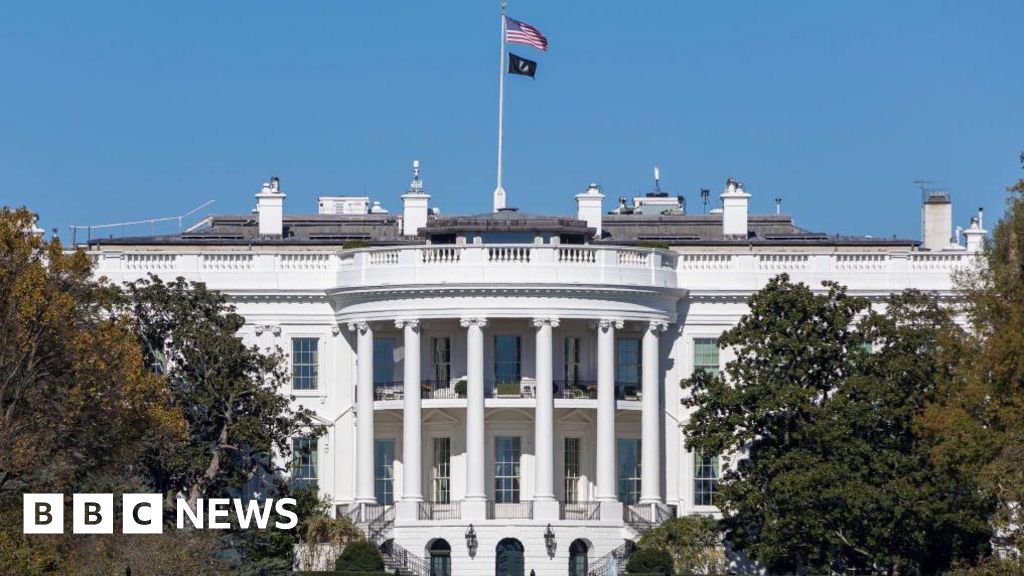
The White House has issued guidance to its staff members cautioning them against participating in prediction markets, as gambling platforms have surged in popularity among users making wagers on major geopolitical events and conflicts. The warning reflects growing concerns within the administration about potential conflicts of interest and ethical implications of federal employees engaging in speculative betting on outcomes that their own work might influence.
Prediction markets, also known as betting exchanges or event futures platforms, have experienced significant growth in recent years. These online gambling platforms allow users to place financial bets on the outcomes of various events, ranging from political elections to military conflicts. The platforms have attracted millions of users worldwide who seek to profit from accurately predicting future events. However, their expansion into areas involving conflicts and sensitive geopolitical matters has raised alarm bells among government officials.
The White House's directive to staff members represents an effort to maintain ethical standards and prevent potential conflicts of interest within the executive branch. Federal employees are subject to various ethics regulations and conflict-of-interest laws designed to ensure that their public duties are not compromised by personal financial interests. Betting on prediction markets could theoretically create situations where staffers have financial incentives that conflict with their official responsibilities, particularly if they work in roles related to foreign policy, national security, or military affairs.
The concern extends beyond simple ethical considerations. If White House employees were to place bets on conflicts or geopolitical events, they could potentially be accused of using non-public information to gain unfair advantages in the prediction markets. This would violate insider trading principles and regulations governing the use of privileged information. Additionally, such activities could undermine public trust in the government's decision-making processes if it were perceived that officials were profiting from conflicts or crises.
Prediction markets have become increasingly mainstream in recent years, attracting both casual bettors and professional investors. Their growth has been fueled by technological advances that have made these platforms more accessible and user-friendly. Some economists and analysts view prediction markets as valuable tools for aggregating information and generating forecasts about future events. However, their application to sensitive geopolitical matters has proven controversial.
The popularity of betting on conflicts raises broader questions about the societal implications of treating major global events as gambling opportunities. Critics argue that encouraging speculation on wars and humanitarian crises can be seen as ethically troubling, regardless of whether government employees participate.
The White House's warning to staff members signals the administration's intent to uphold ethical standards and maintain clear boundaries between public service and personal financial interests. The guidance underscores the complex challenges that modern governments face as new technologies and financial instruments create novel scenarios that traditional ethics frameworks may not have anticipated.
White House staff warned not to place bets on prediction markets
Admin
Apr 10, 2026
1 Views
3 min read
Source:
BBC