The Staggering Cost of Bungie's Marathon: A $200-250 Million Question
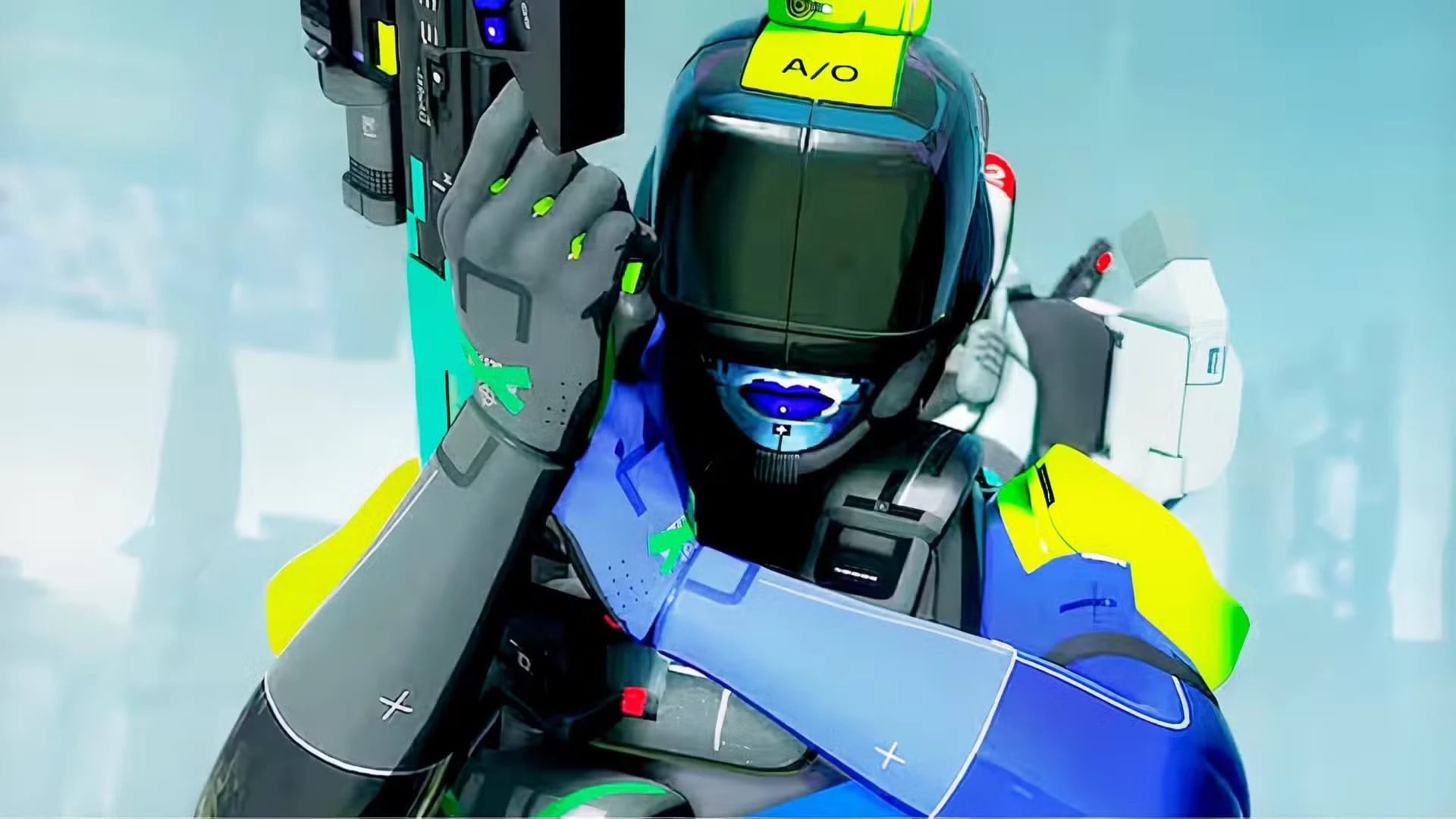
Bungie's highly anticipated return to the Marathon franchise is raising eyebrows across the gaming industry, not just for its ambitious scope and technical aspirations, but for the reportedly extraordinary financial investment required to bring the game to life. According to reports, the development costs for Marathon have exceeded $200 million, with estimates potentially stretching beyond $250 million, making it one of the most expensive video game projects ever undertaken.
These figures represent a significant financial commitment that underscores both the scale of Bungie's vision and the challenging economics of modern triple-A game development. For context, such expenditures place Marathon among the most costly entertainment products ever created, rivaling or exceeding the budgets of major Hollywood blockbuster films. The revelation prompts important questions about the sustainability of such spending in the video game industry and the pressures that studios face when attempting to create groundbreaking experiences.
The Marathon project represents Bungie's ambitious attempt to revitalize a classic science fiction shooter franchise that has been dormant for nearly two decades. The original Marathon series, which concluded in 1996, held a special place in gaming history as a precursor to many modern first-person shooter conventions. Bungie's decision to resurrect this intellectual property with a modern, free-to-play model suggests a long-term strategy focused on sustained engagement and live-service monetization rather than traditional one-time sales.
The substantial investment reflects the complex realities of contemporary game development. Modern AAA games require enormous teams working across multiple disciplines, from advanced graphics programming and artificial intelligence development to extensive audio design and quality assurance testing. Additionally, the extended development timeline that many triple-A projects experience contributes significantly to total costs, as large teams must be maintained over years of development and iteration.
Furthermore, the reported budget likely encompasses not just the base game development but also significant marketing and infrastructure investments necessary to launch and maintain a competitive live-service game in today's market. The online multiplayer landscape is increasingly crowded with free-to-play titles from well-funded studios, making it essential for new entrants to have substantial resources backing their launch and post-launch operations.
These expenditures raise legitimate concerns within the industry about financial risk and sustainability. A game of this scale must achieve significant player adoption and sustained engagement to justify such an investment. The pressure to recoup these costs through monetization strategies—whether through battle passes, cosmetics, or other in-game purchases—may influence gameplay design and player experience decisions.
For players and industry observers, the knowledge of these enormous costs adds a layer of scrutiny to Marathon's development and eventual reception. It represents a significant bet by Bungie on both its ability to create a compelling gaming experience and on the market's appetite for a revived franchise in an already crowded competitive gaming space. Only time will tell whether Marathon's reported budget proves to be a sound investment or a cautionary tale about the escalating costs of modern game development.
You Might Not Want to Know How Much It Reportedly Cost Bungie to Make Marathon
Admin
Apr 10, 2026
1 Views
3 min read
Source:
Push Square