100 Strikes in 10 Minutes: Why Lebanon Faces Biggest Israel Attack Despite Ceasefire
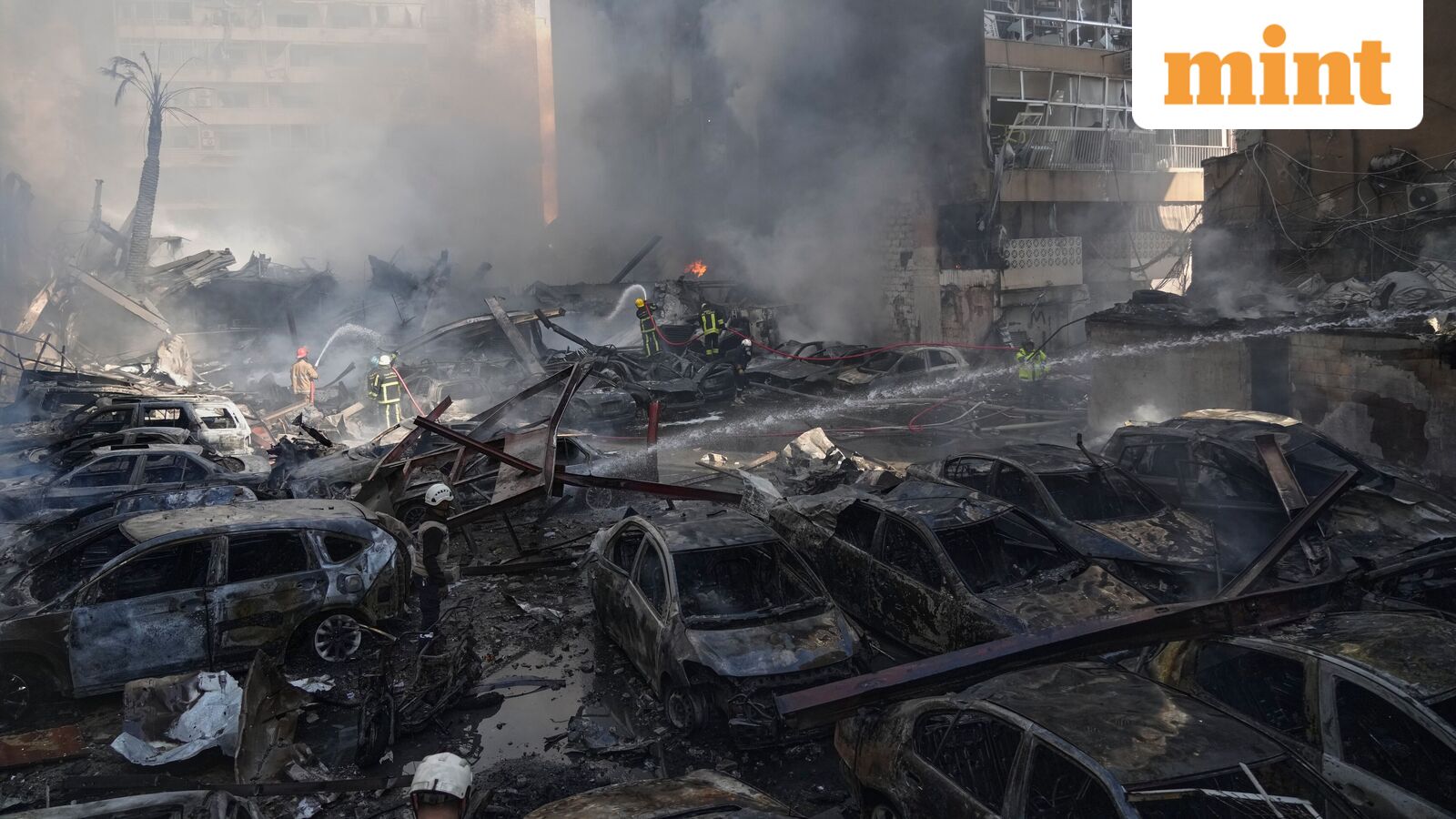
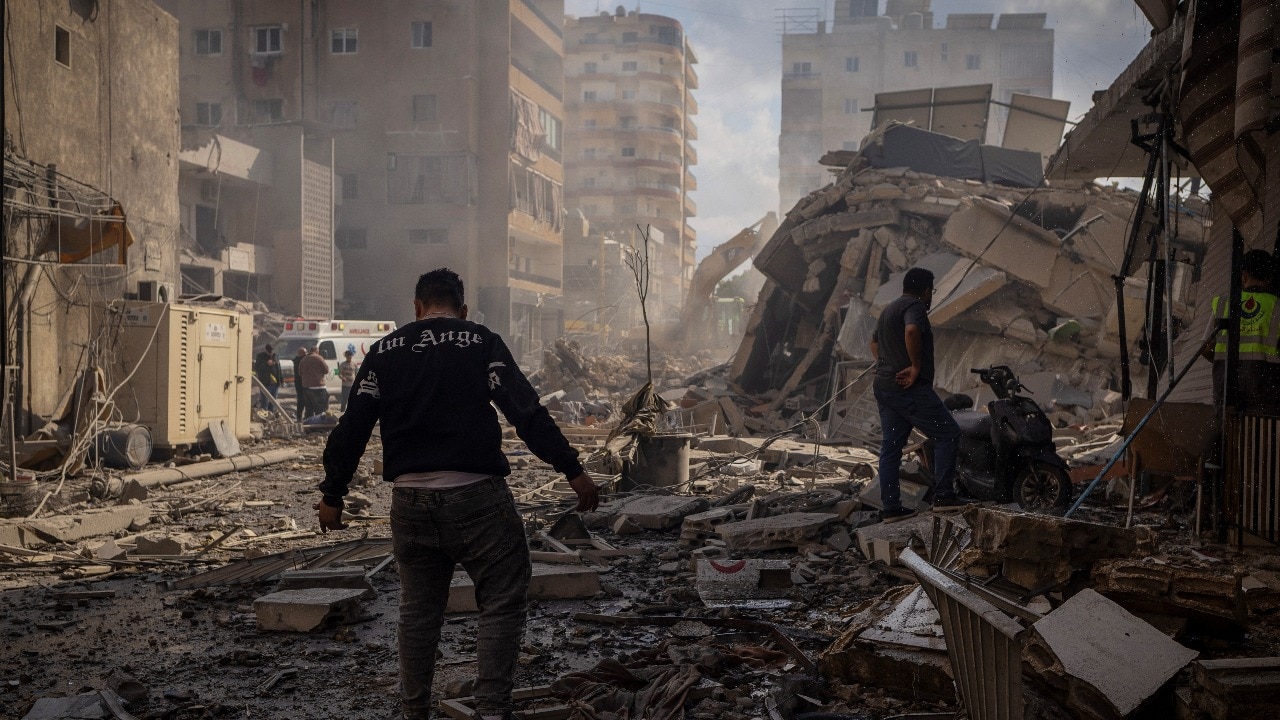
Israel launched an extraordinarily intense military assault on Lebanon, conducting over 100 strikes across the country within a period of mere minutes, despite the announcement of a ceasefire agreement between the United States and Iran. The unprecedented scale and speed of the bombardment resulted in the deaths of over 250 people and represents one of the largest single military operations against Lebanon in recent history. The attack has fundamentally undermined the credibility of the ceasefire and raised serious questions about the agreement's scope and enforceability.
The concentrated nature of the assault—delivering more than 100 strikes in just 10 minutes—demonstrates Israel's military capability to project overwhelming force against targets across Lebanese territory. The attack pattern suggests a coordinated, pre-planned operation utilizing advanced targeting systems and multiple weapons platforms operating in close coordination. The scale of the operation far exceeds routine military strikes and indicates an intentional demonstration of military dominance.
The timing of the attack, occurring despite the freshly announced US-Iran ceasefire agreement, raises critical questions about Israeli military planning and the government's interpretation of the ceasefire terms. Israeli officials have maintained that the ceasefire agreement did not include Lebanon and does not constrain Israeli military operations against Hezbollah and other groups operating in Lebanese territory. This interpretation stands in stark contrast to Iranian claims that the ceasefire was intended to be comprehensive across the region.
Over 250 deaths resulted from the concentrated bombardment, making it a devastating humanitarian catastrophe for Lebanese civilians and raising significant concerns about the targeting practices employed. While some targets may have been military installations or weapons storage facilities, the civilian casualty toll suggests that either the targeting was indiscriminate or that military targets were located in densely populated civilian areas, a common practice in densely urbanized Lebanon.
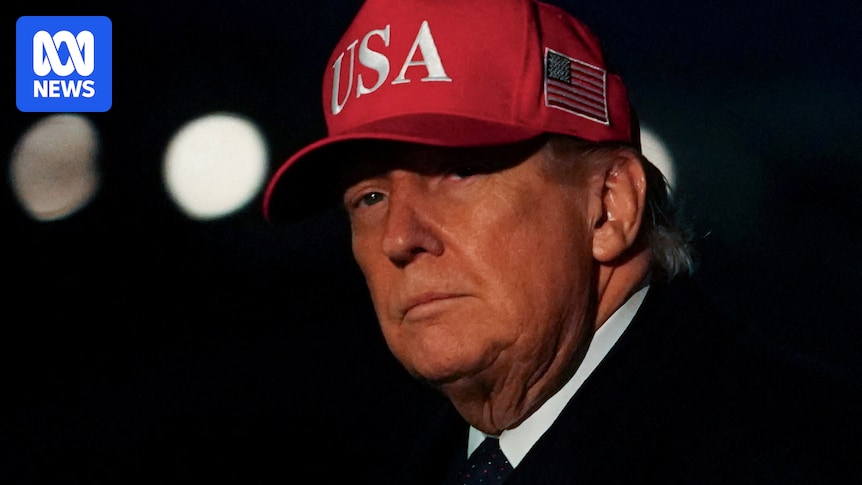
The disagreement between Iran and the United States over the ceasefire's scope has become a defining feature of the diplomatic crisis. Iran maintains that the agreement, negotiated between Washington and Tehran, was intended to halt all regional violence and that the continued Israeli assault represents a violation of the ceasefire terms. The US, through statements by Vice President JD Vance, has attempted to clarify that the agreement was specifically bilateral between the US and Iran and did not necessarily encompass Israeli military operations.
Israel's position has been explicit: the government views itself as not bound by any US-Iran ceasefire agreement and retains the right to conduct military operations against what it perceives as security threats from Lebanon. This position, while reflecting Israeli sovereignty concerns, fundamentally undermines the ceasefire's practical effect and international credibility.
The humanitarian consequences of the attack extend beyond the immediate death toll. Thousands of Lebanese civilians have been displaced by the violence, medical facilities are overwhelmed with casualties, and basic infrastructure has been damaged. The psychological impact on Lebanese society of such intensive bombardment is severe, with the population living under constant fear of renewed attacks.
The attack also raises broader questions about the adequacy of international diplomatic frameworks in preventing regional violence. If the world's leading powers can negotiate a ceasefire agreement that does not actually restrict military operations by key regional actors, what is the value of such agreements? The answer emerging from this crisis is deeply troubling for the prospects of conflict resolution and international peace.
As the situation continues to unfold, the prospects for salvaging the ceasefire agreement appear increasingly dim. The Israeli assault, coupled with Iranian statements about the necessity of compliance with ceasefire terms, suggests that the current trajectory points toward further escalation rather than de-escalation of the conflict.
100 strikes in 10 mins: Why Lebanon faces biggest Israel attack despite ceasefire
Admin
Apr 09, 2026
1 Views
3 min read
Source:
indiatoday.in