US Did Not Agree That Ceasefire Would Cover Lebanon, Says Vance
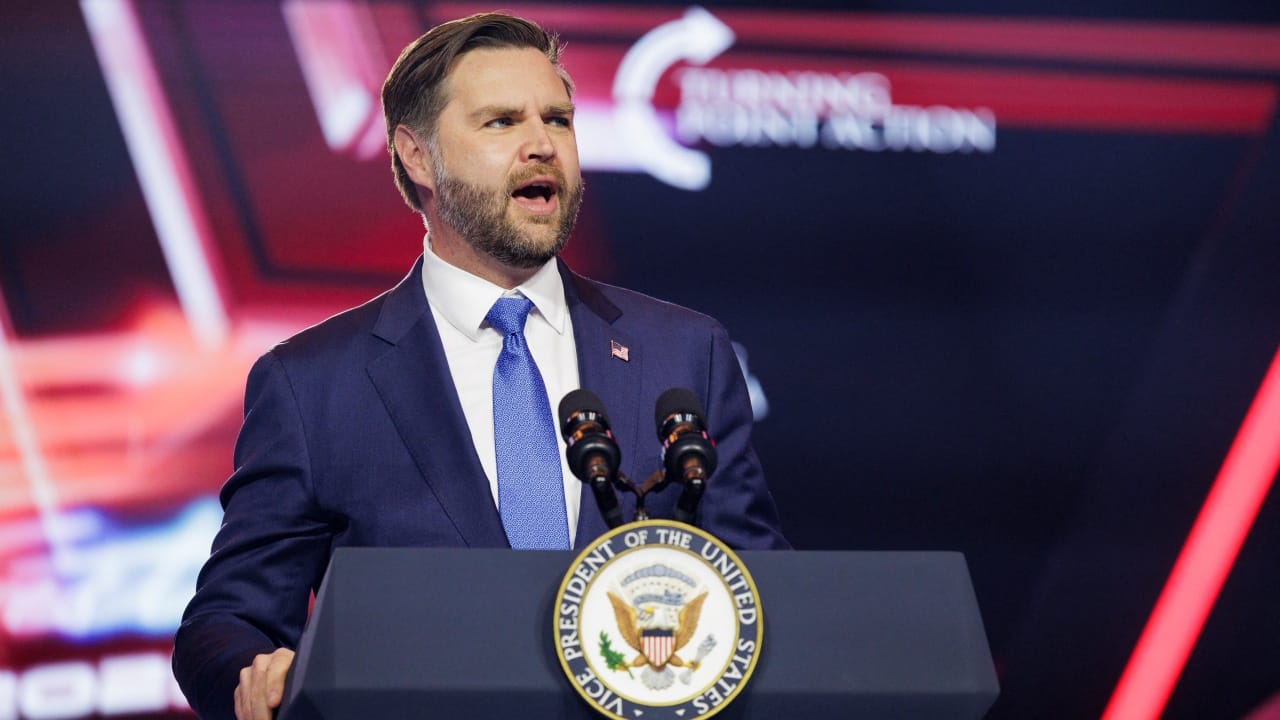
US National Security Advisor JD Vance sought to clarify the terms of the recently negotiated ceasefire agreement between the United States and Iran, stating that the accord did not include coverage of military operations in Lebanon. Speaking to reporters in Budapest, Vance attempted to address growing confusion about what the agreement actually encompasses, characterizing the dispute as stemming from a fundamental misunderstanding between the two parties.
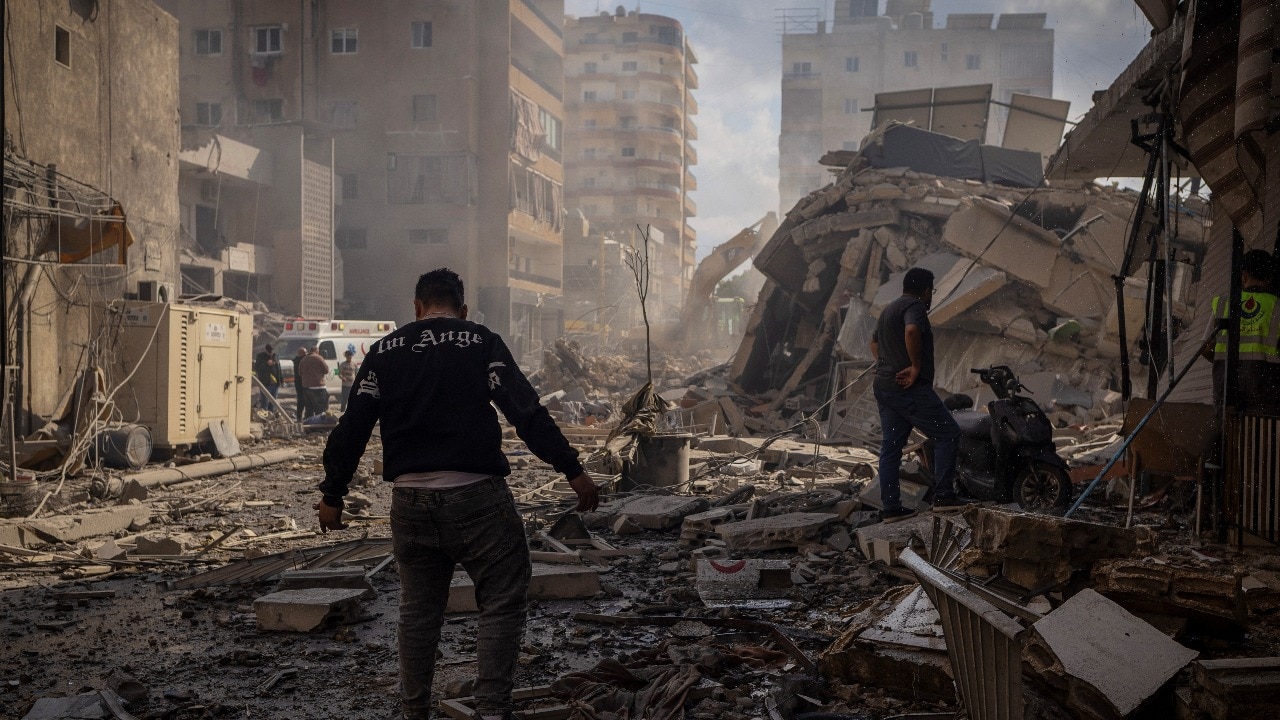
"I think this comes from a legitimate misunderstanding. I think the Iranians thought that the ceasefire included Lebanon, and it just didn't," Vance told reporters, providing the US administration's official explanation for the divergence in interpretations. His comments represent the first detailed US explanation for why Israeli strikes on Lebanon have not been deemed a violation of the ceasefire arrangement by Washington.
The statement from the US official reveals that the Iran-US ceasefire agreement, while representing a significant diplomatic achievement, contained ambiguities or was communicated in ways that led to different understandings by the respective parties. The Vance clarification suggests that from the US perspective, the agreement was narrowly focused on direct US-Iran military interactions rather than serving as a broader regional peace mechanism that would constrain the actions of US allies like Israel.
This explanation raises questions about how such a critical diplomatic agreement could result in such a fundamental difference in understanding between the parties. Whether the misunderstanding was accidental or deliberate, the result has been the same: a ceasefire agreement that appears to be unraveling almost immediately after implementation due to disagreements about its actual scope and binding nature.
The Iranian interpretation that the ceasefire should cover Lebanon and restrain Israeli military operations represents a more expansive view of the agreement's purpose and reach. From Tehran's perspective, a ceasefire between the US and Iran that does not address wider regional conflicts, particularly given US influence over Israeli military actions, may be seen as incomplete or insufficient.
Vance's comments from Budapest, a location outside Washington, may have been carefully chosen to allow for frank discussion without the formality of official US government channels. His characterization of the dispute as a "legitimate misunderstanding" appears designed to avoid placing blame on either party while clarifying the US position for both the media and international observers.
The disagreement over Lebanon's coverage under the ceasefire highlights the challenges of diplomatic agreements in the Middle East, where multiple parties with different interests and interpretations can quickly find themselves at loggerheads. Moving forward, both the US and Iran will need to determine whether the current misunderstanding can be resolved through clarification and renewed negotiations, or whether it signals the beginning of the ceasefire's collapse.
US did not agree that ceasefire would cover Lebanon, says Vance
Admin
Apr 09, 2026
1 Views
3 min read
Source:
Moneycontrol.com