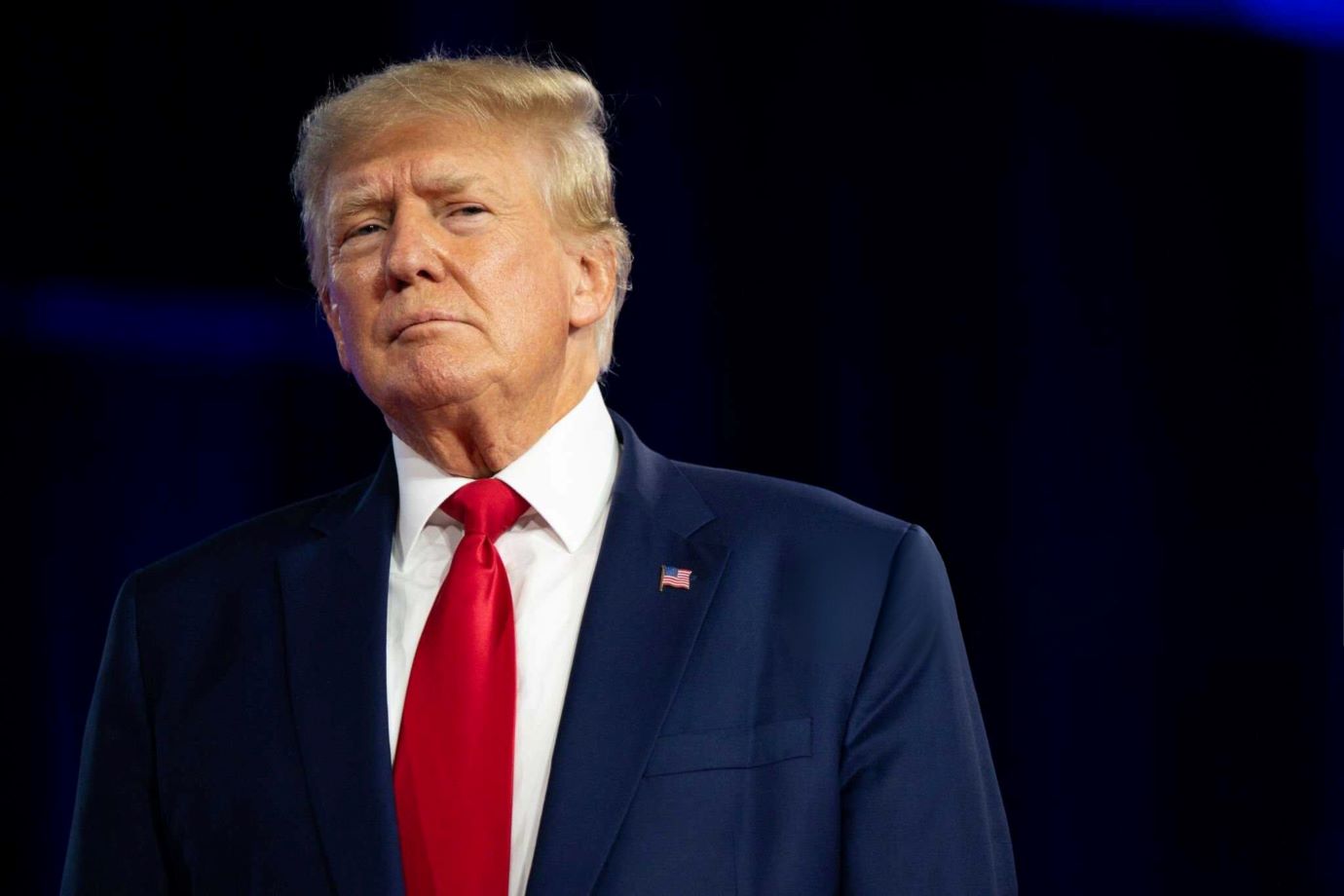
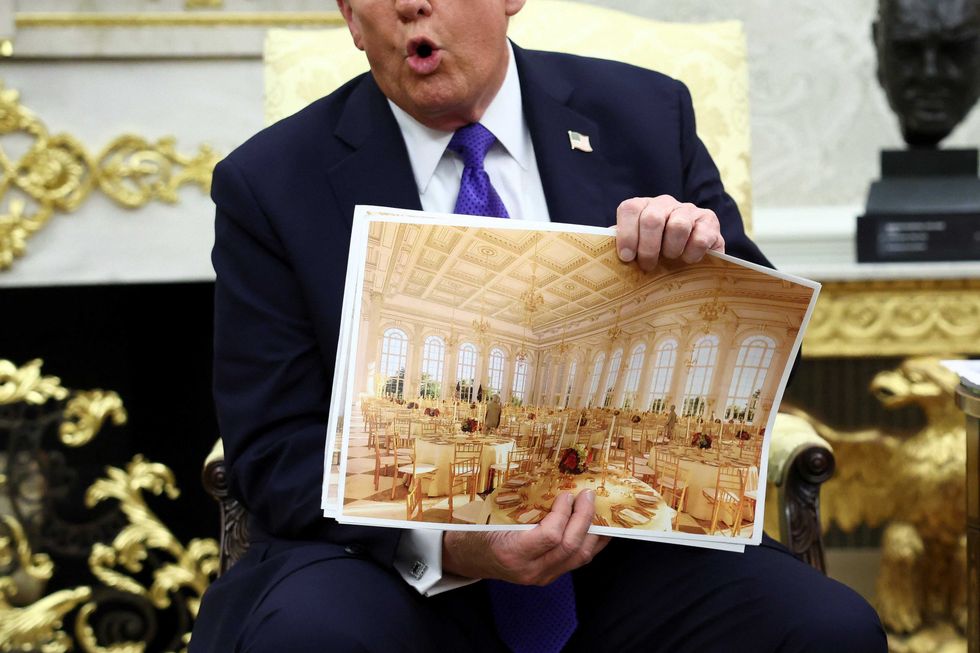
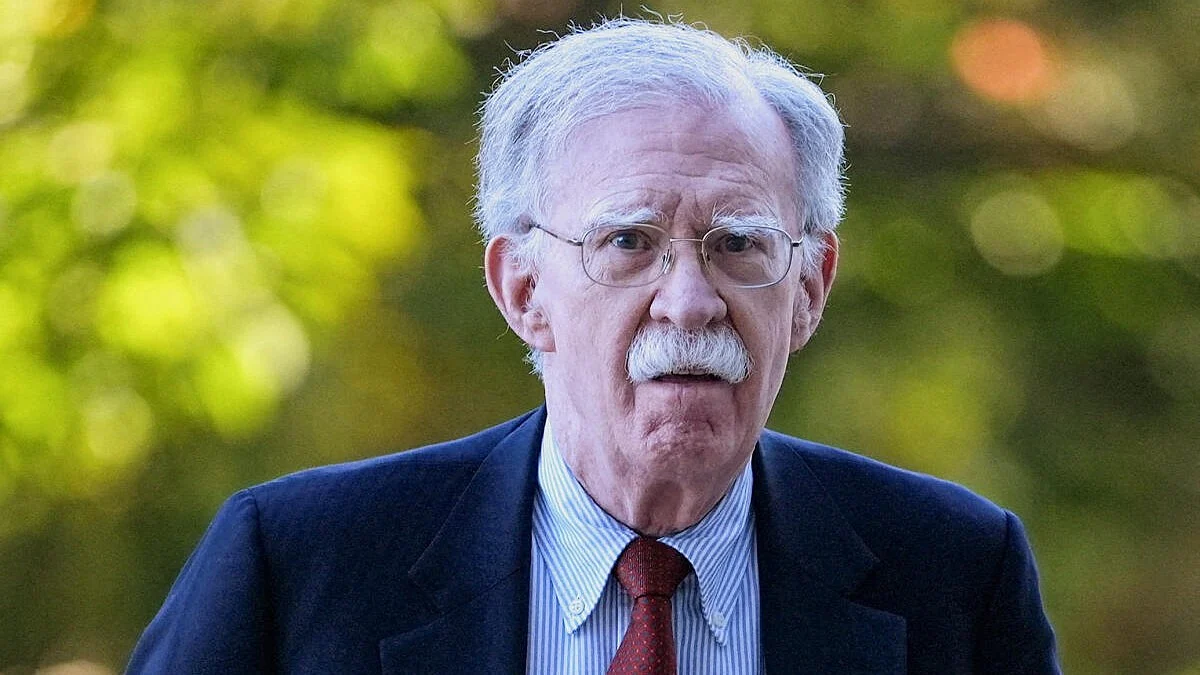
NEW YORK — John Bolton, the former National Security Advisor under President Trump, has expressed significant skepticism about the sustainability and political motivations behind the ceasefire agreement with Iran announced by the Trump administration. Bolton's assessment suggests the agreement may be driven primarily by domestic political considerations rather than sound strategic thinking.
Bolton, who left the Trump administration amid policy disagreements, argues that the ceasefire reflects political compulsions facing the president rather than a carefully considered strategic decision. His criticism points to several factors he believes are motivating the agreement, including falling approval ratings, concerns about oil prices and their impact on the economy, and political considerations ahead of potential elections.
According to Bolton's analysis, the ceasefire agreement carries substantial risks that may not be fully appreciated by policymakers. He has highlighted Iran's continued control of the Strait of Hormuz as a critical strategic vulnerability for the United States and its allies. This chokepoint remains a source of Iranian leverage that could be weaponized at any moment, despite the ceasefire agreement.
Bolton has also flagged the role of China in Middle Eastern affairs as a complicating factor that the administration may be underestimating. Chinese interests in the region and Beijing's relationship with Iran create a complex geopolitical situation that a bilateral US-Iran ceasefire may not adequately address. The involvement of multiple great powers raises questions about the agreement's durability.
Sanctions enforcement remains another concern in Bolton's assessment. The existing sanctions regime against Iran is multifaceted, and the effectiveness of maintaining these sanctions while simultaneously pursuing a ceasefire agreement presents inherent contradictions. Bolton suggests these competing objectives may undermine the agreement's long-term viability.
Perhaps most significantly, Bolton has emphasized the nuclear dimension of the Iran question. He maintains that Iran's nuclear program represents a fundamental threat to regional stability and American interests. Without addressing the nuclear issue substantively, he argues, any ceasefire remains incomplete and temporary.
Bolton's criticisms reflect broader debates within foreign policy circles about the proper approach to Iran policy. His warnings suggest that while the ceasefire may reduce immediate military tensions, the underlying strategic challenges and risks remain unresolved. As the agreement proceeds, Bolton's predictions about potential challenges will likely inform ongoing policy discussions.
Ceasefire with Iran under political compulsions: Former NSA John Bolton
Admin
Apr 09, 2026
1 Views
2 min read
Source:
Deccan Herald