Breakthrough Stool Test Using AI Successfully Detects 90% of Colorectal Cancers Without Colonoscopy
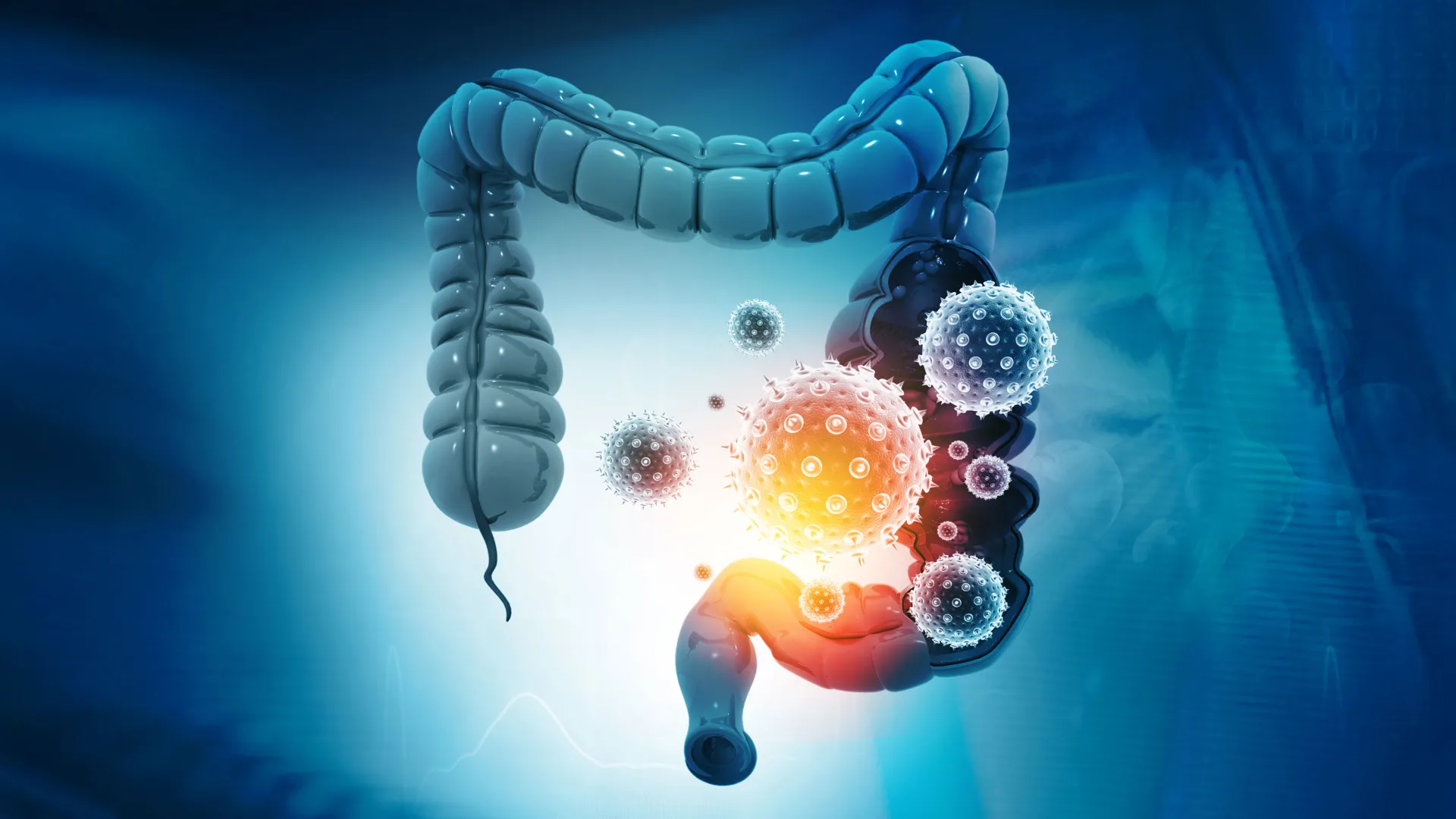
A revolutionary new diagnostic approach combining microbiome analysis with artificial intelligence has demonstrated the potential to transform colorectal cancer screening, achieving a 90% detection rate using simple stool samples—rivaling the effectiveness of colonoscopy, one of medicine's most established and invasive diagnostic tools. The breakthrough study, which focused on mapping gut bacteria at unprecedented levels of detail, reveals how AI-driven analysis of microbial patterns can identify hallmarks of colorectal cancer without requiring the invasive procedure that has long been considered the gold standard for cancer detection.
Colorectal cancer remains one of the most common cancers globally, with screening and early detection playing crucial roles in improving survival outcomes. Traditional colonoscopy, while highly effective, presents significant barriers to screening compliance. The procedure is invasive, often uncomfortable, requires sedation, and necessitates a day of preparation that many patients find unpleasant. These factors contribute to suboptimal screening rates, particularly in underserved populations. A non-invasive stool-based test achieving 90% sensitivity could dramatically increase screening participation and catch more cases at earlier, more treatable stages.
The research breakthrough emerged from advances in microbiome science, the study of complex bacterial communities residing in the human gut. Scientists conducting this research recognized that colorectal cancer development is associated with significant changes in the composition and function of gut bacterial communities. Rather than testing for specific biomarkers or mutations, the researchers took a broader approach, comprehensively mapping the microbial ecosystem in stool samples from both healthy individuals and those with colorectal cancer.
The key innovation involved leveraging artificial intelligence to identify subtle, complex patterns within microbial data that distinguish cancer cases from healthy controls. While human researchers might identify obvious differences in bacterial composition, AI algorithms can detect nuanced patterns across thousands of microbial species and their interactions that would be impossible to recognize manually. These patterns serve as biological signatures of colorectal cancer, detectable through simple stool analysis.
The implications of this discovery extend far beyond the detection capability itself. A successful non-invasive stool test could fundamentally democratize colorectal cancer screening. Patients could perform screening in the privacy of their homes, eliminating the barriers associated with colonoscopy scheduling and preparation. Results could be obtained more quickly and at substantially lower cost than colonoscopy, making population-wide screening programs more feasible in both developed and resource-limited settings.
While the 90% detection rate is impressive, researchers acknowledge that positive results would still require confirmatory colonoscopy to identify the exact location and characteristics of any lesions. However, this represents a significant improvement over current screening paradigms where many people avoid screening altogether due to colonoscopy's invasiveness. The ability to identify individuals who actually need colonoscopy would improve efficiency and resource allocation.
Scientists emphasize that this breakthrough represents the beginning of a new era in cancer diagnostics. As microbiome research advances and AI capabilities continue improving, similar approaches may develop for detecting other cancers and diseases. The successful application of comprehensive microbiome analysis combined with machine learning demonstrates that biological innovation often emerges at the intersection of multiple scientific disciplines. Further research and clinical validation will be necessary before this test reaches widespread clinical adoption, but the potential to transform cancer screening represents a major step forward in precision medicine and preventive healthcare.
Goodbye colonoscopy? New stool test detects 90% of colorectal cancers
Admin
Apr 10, 2026
1 Views
3 min read
Source:
ScienceDaily