Google Meet Rolls Out Speech Translation Feature to Mobile Version, Breaking Down Language Barriers
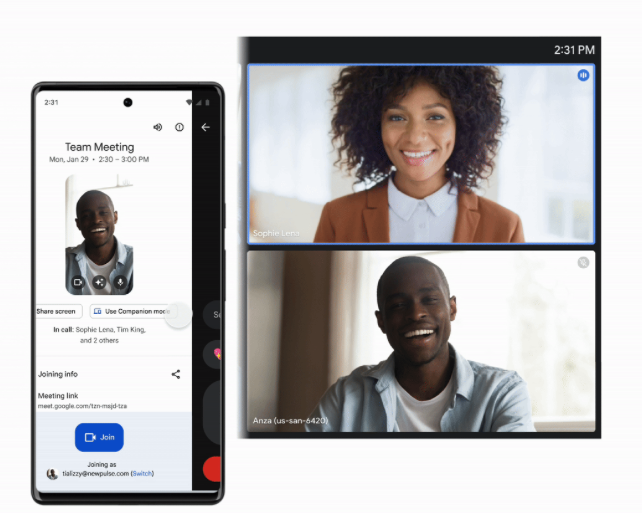
Google has announced the rollout of a speech translation feature to the mobile version of Google Meet, its video conferencing platform. This new capability enables users to better understand participants in meetings conducted across different languages, representing a significant advancement in breaking down communication barriers in virtual collaboration environments.
The implementation of real-time speech translation on Google Meet's mobile application reflects the technology sector's growing commitment to creating more inclusive and accessible communication tools. Language barriers have long presented challenges in international business meetings, educational settings, and cross-cultural collaborations. Google's latest feature addresses this persistent challenge by leveraging advanced artificial intelligence and machine learning technologies to provide immediate translation services during video calls.
The speech translation feature on Google Meet's mobile platform functions by analyzing and translating spoken content in real-time, converting audio from one language into another language without requiring the speaker to interrupt or pause their remarks. This seamless integration maintains the natural flow of conversation while ensuring all participants can comprehend the discussion, regardless of their native languages or linguistic backgrounds. The technology represents years of development in neural machine translation and acoustic processing.
For users seeking to utilize this new feature, Google has provided clear guidance on activation and usage. The process is designed to be intuitive and user-friendly, ensuring that both technically proficient users and those less familiar with advanced application features can easily access and benefit from the translation capabilities. The feature complements Google's existing accessibility tools within the Meet platform.
The introduction of speech translation to Google Meet's mobile version signals the company's recognition that remote communication has become an essential aspect of modern professional and educational environments. Mobile devices, in particular, have emerged as primary tools for accessing video conferencing platforms, especially among international participants and remote workers in various geographic locations.
This development carries important implications for global business operations, international teams, and educational institutions that rely on video conferencing to facilitate collaboration across linguistic and geographic boundaries. Organizations with diverse, multilingual workforces can now leverage this feature to enhance communication clarity and ensure more productive meetings. The technology has potential applications in customer service, training sessions, and negotiations conducted across language barriers.
Google's continued investment in accessibility features demonstrates the company's commitment to creating more inclusive digital environments. As remote work and virtual collaboration continue to shape the future of professional communication, tools like speech translation on Google Meet are likely to become increasingly important. The feature represents a significant step forward in making global communication more seamless and equitable for all users.
Google Meet Rolls Out Speech Translation to Mobile Version-Here's How to Use It
Admin
Apr 10, 2026
1 Views
3 min read