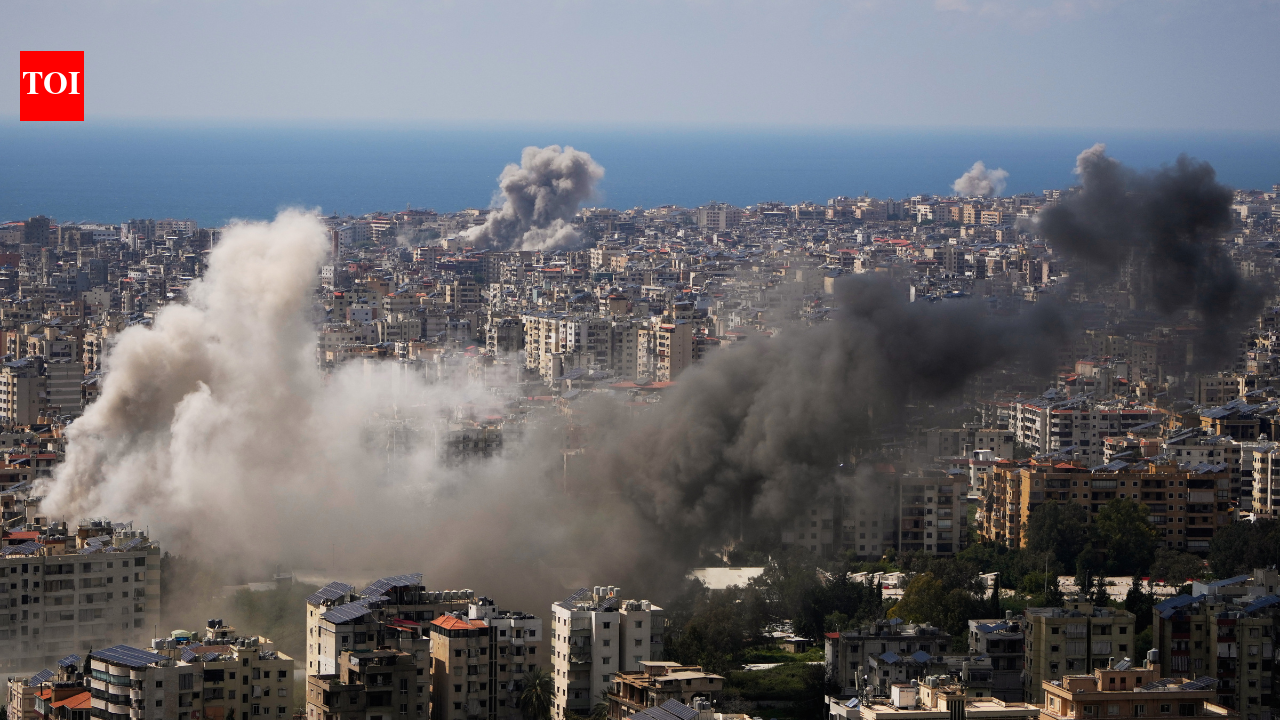
Middle East Tensions Escalate as Iran and Hezbollah Respond to Israeli Actions While Fragile Ceasefire Shows Signs of Breakdown
The fragile ceasefire between Iran and the United States, established just one day prior, has shown early signs of unraveling as regional tensions escalate dramatically. On Thursday, the second day of the ceasefire agreement, Hezbollah has begun retaliatory military operations while Iran has taken the provocative step of blocking the Strait of Hormuz, one of the world's most critical maritime chokepoints. These simultaneous actions represent a dangerous escalation that threatens to collapse the recently negotiated peace agreement and potentially trigger renewed widespread conflict across the region.
Hezbollah's return fire against Israeli targets marks a significant challenge to the ceasefire agreement, as the militant organization responds to what it characterizes as Israeli aggression and violations of ceasefire terms. The organization's engagement in active military operations just hours into the ceasefire demonstrates the fragility of the agreement and the extent to which various parties to the conflict retain the capability and apparent willingness to resume hostilities.
Iran's decision to partially or fully close the Strait of Hormuz represents a dramatic escalation with potentially severe global economic implications. The Strait of Hormuz serves as a critical conduit through which approximately one-fifth of the world's seaborne oil trade passes. Any prolonged disruption to shipping through the waterway would have immediate and severe effects on global oil prices and could trigger economic disruptions far beyond the Middle Eastern region.
The Iranian government's warning regarding these actions suggests deliberate strategic signaling rather than spontaneous reactions. By closing the Strait and supporting Hezbollah's military responses, Iran is demonstrating its continued capability and determination to project power in the region while simultaneously testing the resolve of the United States and other international parties to maintain the ceasefire agreement.
The speed with which the ceasefire has come under threat raises serious questions about whether the agreement addressed the fundamental causes of the conflict or merely established a temporary pause in hostilities. Comprehensive peace agreements typically address underlying disputes, establish verification mechanisms, and create frameworks for resolving future disagreements. The current apparent breakdown suggests that the ceasefire may have lacked such substantial foundations.
Hezbollah's military response reflects the organization's assessment of the ceasefire terms and its ongoing commitment to resistance against Israel. The organization, which maintains substantial military capabilities and operates with significant autonomy from direct Iranian control, has indicated through its actions that it will not necessarily abide by ceasefire terms that it perceives as inadequate or that fail to address its strategic interests.
The involvement of Hezbollah, Israel, Iran, and the United States in these escalatory actions creates a complex and dangerous situation where the actions of any single party can trigger responses from others. The potential for rapid escalation in this multipolar conflict environment remains substantial.
International mediators and the permanent members of the UN Security Council face significant challenges in preventing the ceasefire from completely unraveling. The actions taken by Iran and Hezbollah on the second day of the agreement suggest that renewed conflict may be imminent unless significant diplomatic efforts succeed in re-establishing the ceasefire and addressing the underlying tensions that continue to drive these regional actors toward continued confrontation.
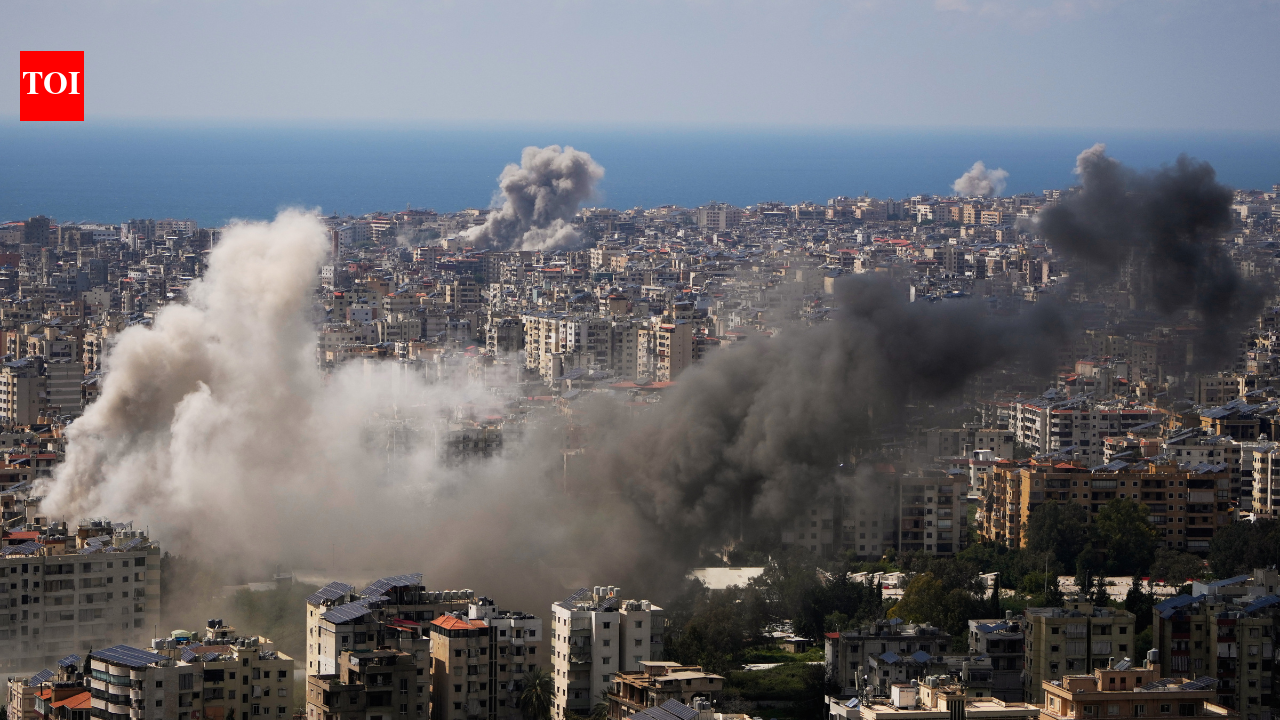
Hezbollah: Hezbollah fires back as Iran closes Strait of Hormuz, Israel pounds Lebanon-ceasefire at risk
Admin
Apr 09, 2026
1 Views
3 min read
Source:
The Times of India