Iran Announces Alternative Routes in Strait of Hormuz as Part of Two-Week Truce Agreement
Tehran has agreed to temporarily reopen the Strait of Hormuz as a central component of a recently negotiated two-week ceasefire with the United States, marking a significant diplomatic development in efforts to de-escalate regional tensions and restore stability to one of the world's most strategically important maritime chokepoints.
The Strait of Hormuz, located between Iran and Oman at the entrance to the Persian Gulf, serves as a critical passage for global energy supplies, with approximately one-third of the world's seaborne traded oil passing through its narrow waterway. Any disruption to shipping through the strait has immediate and far-reaching consequences for global energy markets and international commerce.
Iran's announcement of alternative routes suggests a careful calibration of the terms of the truce arrangement. By specifying particular navigation corridors and pathways for commercial shipping, Iran demonstrates its desire to maintain control over access to the strait while simultaneously showing willingness to permit international commerce to continue during the ceasefire period. This nuanced approach allows Iran to maintain its strategic position while fulfilling commitments under the truce agreement.
The reopening of shipping lanes through the Strait of Hormuz carries immense economic implications for global markets. The energy sector, in particular, depends on unimpeded access to the strait to transport crude oil from Persian Gulf producers to refineries and markets worldwide. Any extended closure or restriction of shipping would drive up global oil prices and create economic disruption across multiple sectors.
From a geopolitical perspective, Iran's cooperation in reopening the strait demonstrates a commitment to the truce agreement and signals to international observers that the negotiated settlement is holding. The move represents a significant gesture of goodwill, particularly given the historical context of tensions between Iran and Western powers over maritime navigation rights and regional influence.
The designation of alternative routes also suggests technical preparations have been made to facilitate safe passage through the strait during the truce period. These arrangements likely involve coordination between Iranian maritime authorities, international shipping organizations, and relevant naval forces to ensure secure navigation and minimize the risk of incidents.
The success of maintaining open shipping routes through the Strait of Hormuz during the two-week ceasefire will be a critical test of whether the broader truce arrangement can hold. Any disruptions or violations of shipping agreements could quickly destabilize the fragile peace and trigger renewed confrontation.
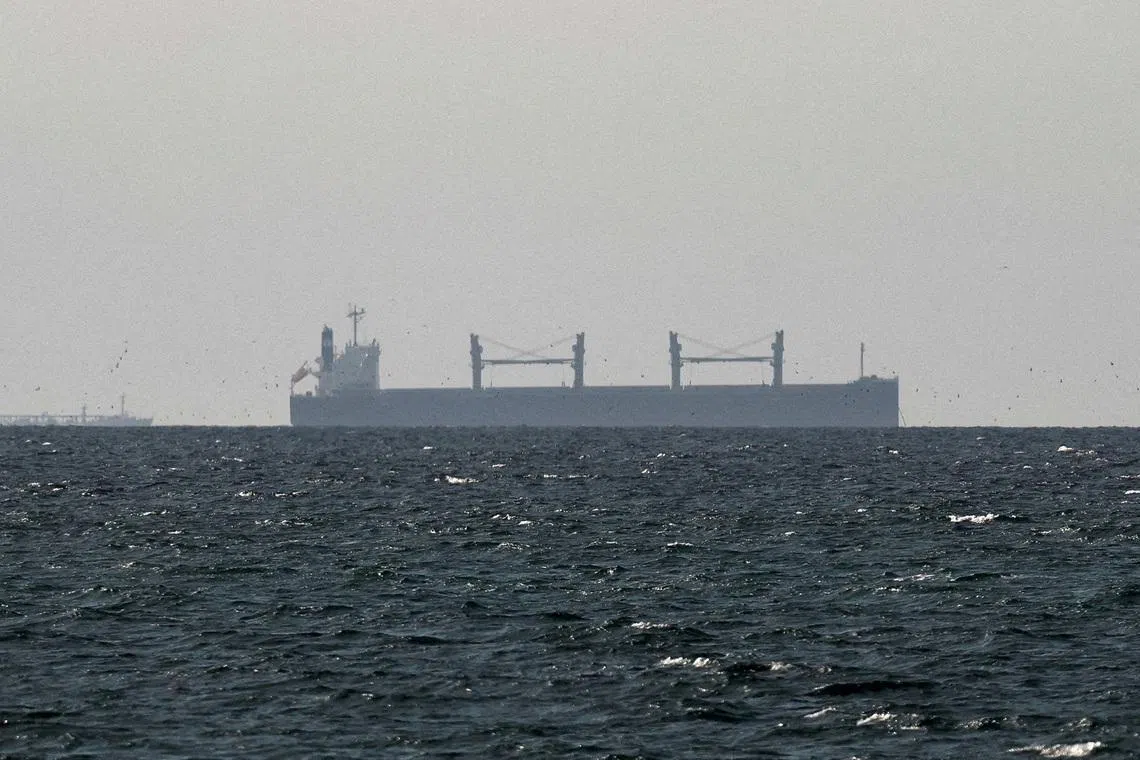
Iran announces alternative routes in Strait of Hormuz
Admin
Apr 09, 2026
3 Views
3 min read
Source:
The Straits Times