Putin Proposes Orthodox Easter Ceasefire with Ukraine
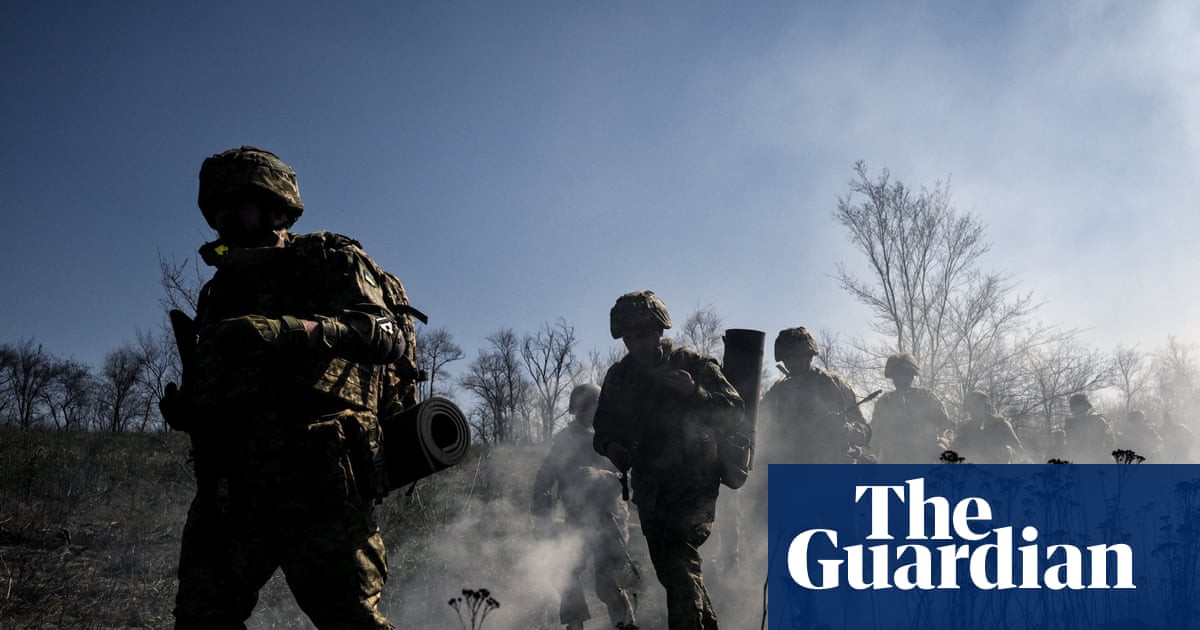
Moscow – Russian President Vladimir Putin has announced a proposal for a 32-hour ceasefire between Russian and Ukrainian forces, timed to coincide with Orthodox Easter celebrations. According to reports from The Guardian, the Kremlin has put forth the proposal with expectations that Ukraine would agree to the temporary halt in military operations beginning Saturday afternoon.
The ceasefire proposal represents a significant diplomatic gesture from the Russian leadership, framing the military pause as a humanitarian acknowledgment of the Orthodox Easter holiday observed throughout much of Eastern Europe and Russia. By tying the ceasefire to religious observance, Putin's announcement carries symbolic weight beyond its immediate military implications.
The timing of the proposal for a Saturday afternoon start suggests coordination with Orthodox Easter observances, which hold deep cultural and religious significance for populations across Russia, Ukraine, and other predominantly Orthodox Christian nations. The 32-hour duration would encompass the primary Easter celebration period, allowing civilians and combatants alike to observe the religious holiday.
The Kremlin's stated expectation that Ukraine would accept the ceasefire proposal indicates either confidence in Ukrainian willingness to honor the temporary halt or an attempt to place diplomatic pressure on Ukrainian leadership through public announcement. Such public proposals can serve multiple strategic purposes, including demonstrating reasonableness to international observers while simultaneously creating political complications for the receiving party should they reject the offer.
Ceasefires during religious holidays have historical precedent in various conflicts, representing moments when combatant nations acknowledge shared cultural or religious values despite ongoing warfare. Such temporary halts provide humanitarian benefits, including opportunities for civilian movement, medical evacuation, and burial of casualties.
The proposal's viability depends on multiple factors, including Ukrainian leadership's assessment of the proposal's sincerity, the military situation at the time of implementation, and international support for the ceasefire arrangement. Ukraine's response to the Kremlin proposal would likely be analyzed carefully by international observers as an indicator of Ukrainian willingness to engage in temporary military pauses.
Putin's announcement also carries potential implications for international mediation efforts and diplomatic initiatives aimed at resolving the broader conflict. Religious observance-based ceasefires, if successfully implemented, can establish precedents for temporary military halts and demonstrate the possibility of negotiated arrangements between the parties.
The proposal reflects complexities in modern conflicts where religious, cultural, and humanitarian considerations intersect with military and political objectives. As the conflict continues to draw international attention, gestures toward humanitarian pauses carry significance for both immediate civilian welfare and broader narratives about the war's trajectory and the combatants' willingness to acknowledge shared values despite fundamental disputes.
Vladimir Putin announces Orthodox Easter ceasefire with Ukraine
Admin
Apr 10, 2026
2 Views
3 min read
Source:
The Guardian