Bloody Day in Lebanon Puts Fragile Ceasefire at Risk
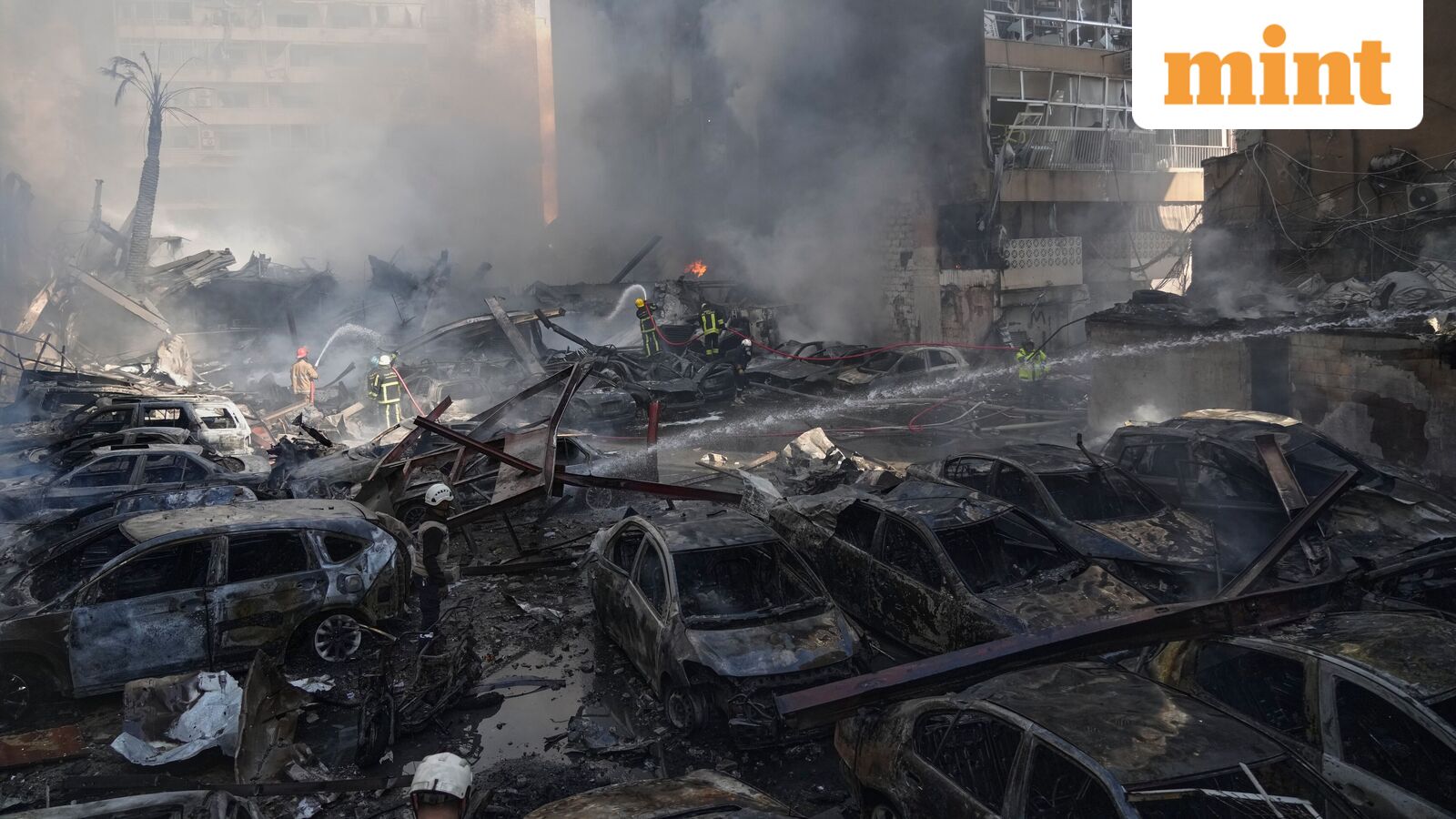
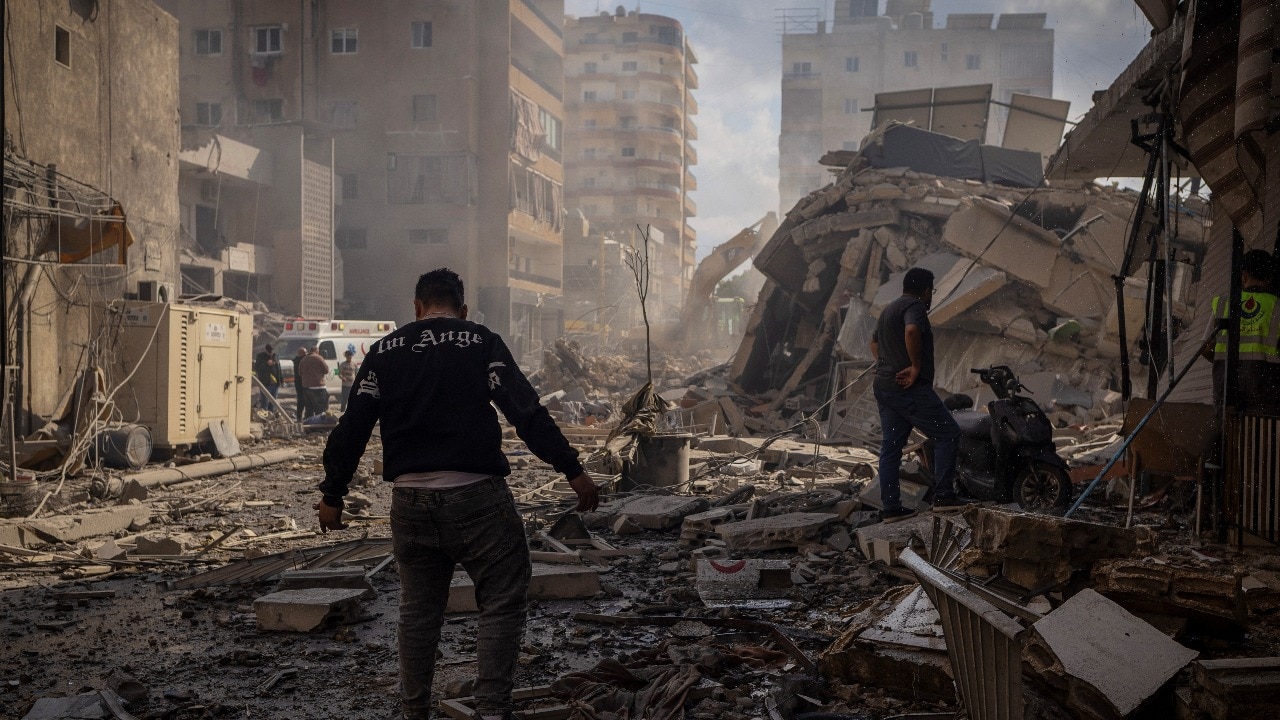
A devastating day of military operations in Lebanon has cast serious doubt on the viability of a ceasefire agreement that was reached through negotiations between Washington and Tehran just hours earlier. Despite the announcement of a diplomatic breakthrough intended to reduce regional tensions, violence in Lebanon continued unabated, with reports of numerous casualties and widespread destruction affecting civilian populations.
The ceasefire agreement was negotiated directly between the United States and Iran and was presented as a significant diplomatic achievement that would reduce tensions in the volatile Middle East region. However, the contrast between the diplomatic announcement in Washington and Tehran and the continued carnage in Beirut underscores the gap between diplomatic agreements and their actual implementation on the ground.
Eyewitness reports from Beirut indicate that smoke continued to rise across the city throughout the evening following the ceasefire announcement, suggesting that Israeli military operations had not abated despite the diplomatic agreement. The continued military activity in Lebanon contradicts the stated purpose of the ceasefire to reduce violence and prevent further civilian casualties in the region.
The situation reveals a critical flaw in the ceasefire agreement: it appears to have been negotiated without clear agreement on whether Israel, a key military actor in the region, would be bound by or observe its terms. The lack of Israeli participation in the negotiations or explicit commitment to the ceasefire has created a situation where the agreement lacks practical enforcement mechanisms or the participation of a crucial party to the conflict.
Civilian casualties from the continued military operations represent the human cost of the diplomatic failure. Families in Lebanon face uncertainty about whether they will experience continued attacks, and the psychological toll of the violence continues regardless of diplomatic announcements thousands of miles away.
The fragile nature of the ceasefire was evident from its inception, but the rapid deterioration of peace has occurred faster than many international observers anticipated. The fact that significant violence continued within hours of the ceasefire announcement suggests that multiple parties have fundamental disagreements about what the ceasefire actually means and which conflicts it is supposed to address.
Reports from journalists and humanitarian organizations on the ground in Lebanon indicate that the intensity of military operations has not decreased and that the humanitarian situation continues to deteriorate. Medical facilities are overwhelmed with casualties, and civilians in affected areas are caught between the diplomatic promises of peace and the military reality of ongoing conflict.
The situation in Lebanon represents a critical test of whether diplomatic agreements between distant powers can actually restrain military operations in contested territories. If the current ceasefire collapses entirely, it may discourage future diplomatic efforts and suggest to regional actors that negotiated solutions are less reliable than military solutions to territorial and political disputes.
Bloody day in Lebanon puts fragile ceasefire at risk
Admin
Apr 09, 2026
1 Views
3 min read

Source:
RTE.ie