COMMON TREE FUNGUS MAY BE EXACERBATING CLIMATE CHANGE THROUGH UNEXPECTED METHANE EMISSIONS
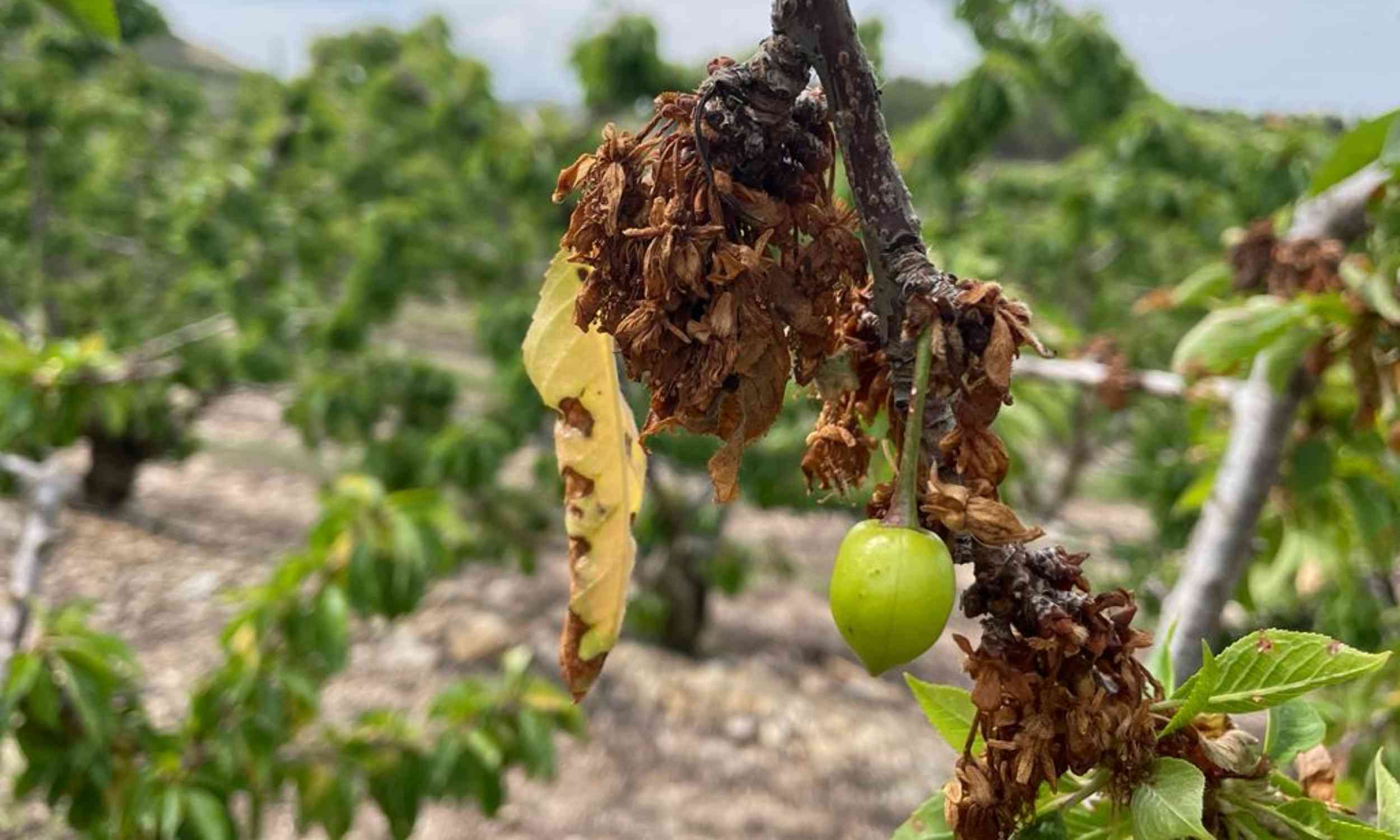
Research has revealed that a common fungus responsible for causing wood rot in trees may be contributing to climate change in ways previously unrecognized by scientists. The fungus, which spreads throughout tree tissue and causes internal decay, appears to be releasing methane at levels higher than previously expected, suggesting that tree rot processes may represent a previously underestimated source of greenhouse gas emissions in forest ecosystems.
Fungal wood rot is a widespread phenomenon in forests worldwide, affecting countless trees across diverse ecosystems. The process occurs when fungal organisms colonize tree tissue, breaking down the complex organic compounds in wood, particularly cellulose and lignin. While wood decay has always been recognized as a normal part of forest ecology, the amount and type of gases released during this process were not fully understood until recent research investigated the methane emissions associated with rotting wood.
Methane is a potent greenhouse gas, approximately 25 to 28 times more effective at trapping atmospheric heat than carbon dioxide over a century-long timeframe. Even relatively small increases in atmospheric methane concentrations have significant implications for global climate change. If tree rot fungi are releasing substantial quantities of methane, this represents a previously overlooked aspect of forest carbon cycling and climate impacts.
The research raises important questions about the net carbon balance of forests. Forests are generally recognized as carbon sinks because trees absorb atmospheric carbon dioxide during photosynthesis and store that carbon in their biomass. However, if decaying wood releases significant methane emissions, the overall climate benefit of forest ecosystems may be reduced compared to earlier calculations that did not account for this methane release.
Scientists emphasize that this discovery does not diminish the importance of forest conservation. Rather, it indicates that understanding forest carbon cycling requires attention to all components of the system, including the decomposition processes that return nutrients to soil and complete the forest ecosystem's nutrient cycles. The research highlights the complexity of natural systems and the continuing evolution of scientific understanding regarding climate processes.
The implications of this research extend to forest management practices and climate change mitigation strategies. If certain fungal species or forest conditions lead to higher methane emissions, forest managers may need to consider these factors when making management decisions. Additionally, this research may influence how scientists calculate the carbon sequestration potential of forests in climate models and policy discussions.
Further research is needed to determine the relative significance of fungal methane emissions compared to other sources in forest ecosystems and in the global methane budget. Scientists must identify which fungal species produce the most methane, what environmental conditions favor methane-producing decomposition, and how these processes vary across different forest types and climate zones. This research demonstrates the ongoing importance of studying natural systems to understand climate processes fully.
Fungus that rots trees from the inside may be hiding a climate issue
Admin
Apr 09, 2026
1 Views
3 min read
Source:
Earth.com