ASTRONAUTS EXPERIENCE PROFOUND SHIFT IN PERSPECTIVE VIEWING EARTH FROM SPACE
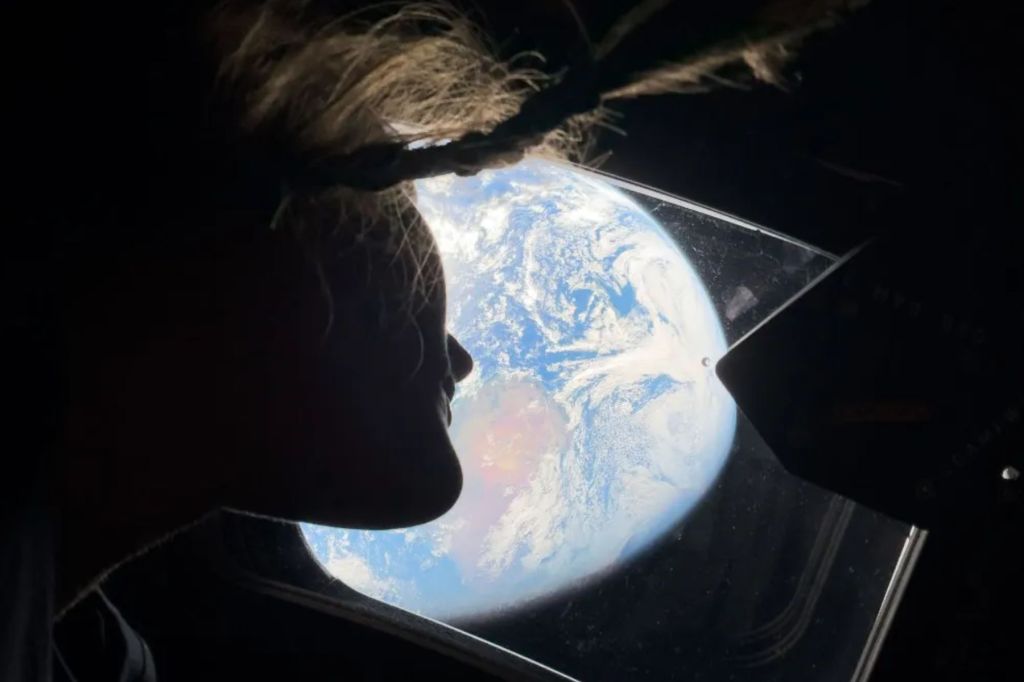
Astronauts who have traveled to space consistently report a transformative experience upon seeing their home planet from orbit, a phenomenon that has sparked widespread admiration and emotional reflection among space explorers throughout history. The awe-inspiring views of Earth from space have prompted many mission participants to express a renewed appreciation for their planet and a deeper understanding of humanity's place in the cosmos.
The experience, often described as life-altering by those who have witnessed it firsthand, represents one of the most profound psychological impacts of space travel. Astronauts frequently describe the moment they first glimpse Earth from their spacecraft as a moment that fundamentally changes their perspective on life, environmental stewardship, and human interconnectedness. The curvature of the planet, the thin atmosphere visible from space, and the absence of political boundaries all contribute to a cognitive shift that many describe as deeply moving.
This phenomenon is not new to the space age. Since the earliest days of human spaceflight, astronauts have reported similar reactions. The famous "Overview Effect," a term coined to describe this cognitive shift, has been documented extensively through astronaut testimonies, memoirs, and interviews spanning decades of space exploration. Early cosmonauts and astronauts from various nations have all reported comparable experiences, suggesting this is a universal human response to seeing Earth from the perspective of space.
The emotional impact of this experience often translates into tangible changes in how astronauts view environmental issues and global cooperation. Many space explorers have become advocates for environmental protection and international unity after their missions. The sight of Earth as a unified, borderless sphere floating in the vastness of space has inspired numerous astronauts to speak about the fragility of our planet and the importance of global cooperation in addressing shared challenges.
Psychologists and researchers have studied this phenomenon extensively, noting that the Overview Effect can lead to increased environmental consciousness and a shift toward more holistic thinking about humanity's role on Earth. The experience appears to transcend cultural backgrounds, education levels, and national origins, affecting astronauts from all nations and space agencies similarly.
As space tourism begins to develop and more civilians experience spaceflight, researchers anticipate that this transformative experience may reach a broader audience. The longing expressed by astronauts for Earth, combined with their newfound appreciation for its beauty and fragility, serves as a powerful testament to the importance of space exploration in understanding our place in the universe and fostering a more unified global perspective.
‘It really bent your mind’: The life-altering phenomenon astronauts experience in space
Admin
Apr 09, 2026
2 Views
3 min read
Source:
RNZ